
Why Painting Quotes Are So Different
If you have ever received two or three painting quotes for the same project and wondered how they could be so far apart, you are not alone. One painter may give you a number that feels surprisingly low. Another may come in much higher. A third might be somewhere in the middle, but still describe the work completely differently.
That can make the decision confusing.
The question this article answers is simple: why are painting quotes so different when everyone seems to be pricing the same house?
The short answer is that painting quotes are often not pricing the same thing. They may be pricing different prep levels, different products, different labor standards, different warranties, and different expectations for what “finished” means.
A Painting Quote Is More Than Paint on Walls
Many homeowners naturally assume a painting quote is based mostly on square footage. Size matters, but it is only one part of the price.
A proper painting estimate usually includes some combination of:
Labor
Surface preparation
Materials
Primer
Repairs
Masking and protection
Cleanup
Project management
Warranty coverage
Insurance and business overhead
When one quote is much cheaper than another, it usually means something has been removed, minimized, or left undefined. Sometimes that is fine if the homeowner only needs a quick cosmetic refresh. Other times, it creates problems because the lower quote does not include the work required for a lasting result.
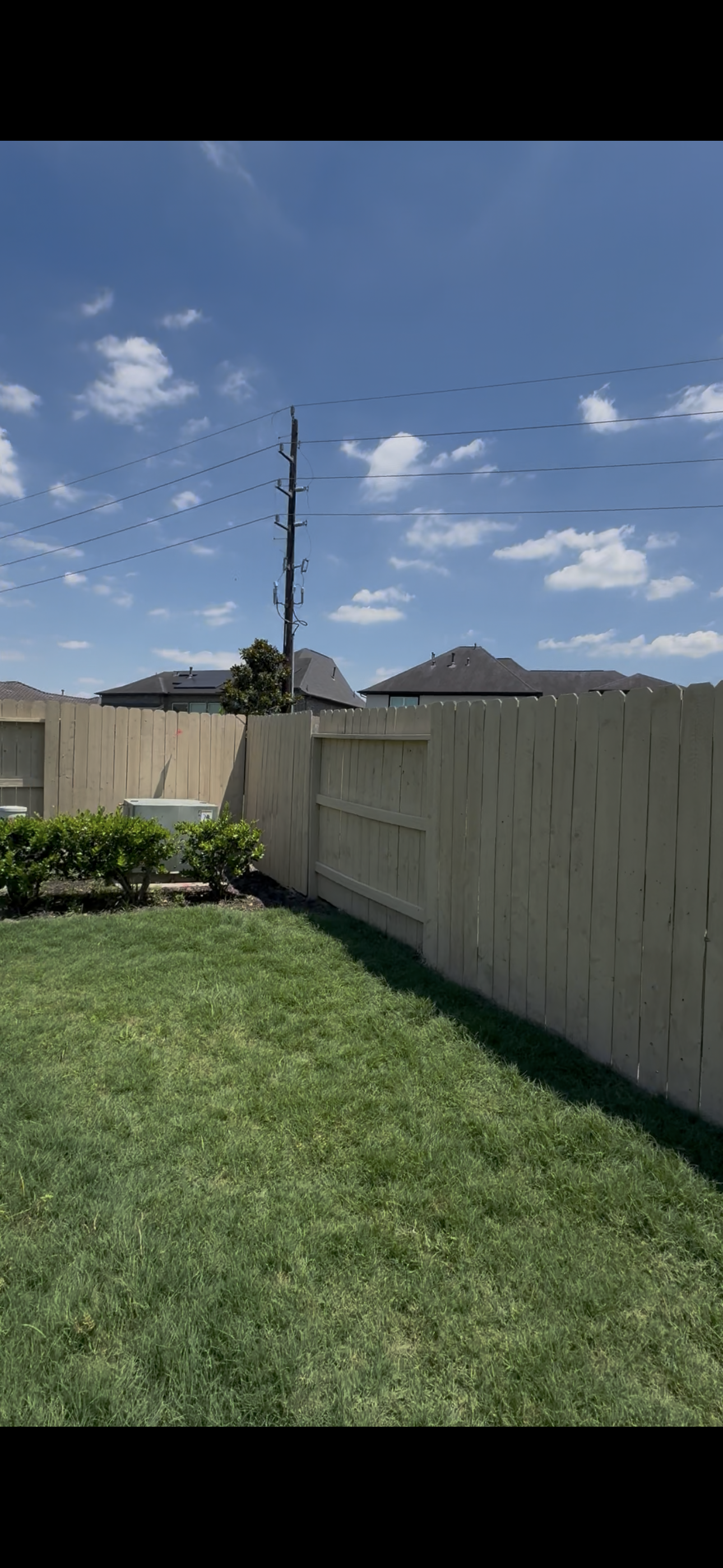
Prep Work Is One of the Biggest Price Differences
Prep is where many painting estimates start to separate.
On the surface, two quotes may both say “paint walls” or “paint exterior.” But one painter may be planning to clean, scrape, sand, caulk, patch, prime where needed, mask carefully, and apply proper coats. Another may be planning to paint over the existing surface with minimal preparation.
That difference matters because paint is only as strong as what it sticks to.
For interiors, prep may include drywall patching, sanding, caulking trim gaps, protecting floors, removing outlet covers, and correcting surface imperfections. For exteriors, prep may include pressure washing, scraping loose paint, sealing cracks, replacing failed caulk, treating bare surfaces, and priming problem areas.
A lower price may look attractive at first, but if prep is skipped, the finished project may show flaws sooner than expected.
Product Choices Can Change the Cost
Paint products are not all the same. Different products are designed for different surfaces, durability levels, finishes, and environmental conditions.
For example, an exterior paint used on a Fort Bend County home needs to handle heat, humidity, sun exposure, and moisture. A product used for trim may need better adhesion and hardness than a standard wall paint. Cabinets, doors, brick, stucco, siding, and drywall can all require different coating systems.
A quote using a basic product may cost less than a quote using a higher-performing product. That does not automatically mean one is right and the other is wrong. It depends on the goal of the project.
If the homeowner wants the lowest short-term cost, a basic product may make sense. If the goal is durability, washability, color retention, or a longer-lasting finish, the higher quote may include materials that better match that expectation.
Labor Standards Affect the Final Price
Painting is labor-intensive. The experience, training, speed, supervision, and care level of the crew all affect the final quote.
A cheap painter may be pricing the job based on getting in and out quickly. A more expensive painter may be accounting for careful setup, consistent prep, cleaner lines, better communication, and a more predictable process.
This is one of the hardest things for homeowners to compare because the difference is not always visible on the estimate. Two proposals may both say “paint bedroom,” but the actual process behind those words may be very different.
A good question to ask is: what exactly is included in the labor?
For example, does the quote include moving and covering furniture? Does it include sanding between coats on trim? Does it include caulking? Does it include daily cleanup? Does it include a final walkthrough?
The price often reflects not just the painting, but the level of care built around the painting.
Why Are Painting Quotes Different?
Painting quotes are different because painters may include different prep work, materials, labor standards, warranty coverage, insurance, and project management. A lower price often means fewer included steps or a different expectation for the finished result.
Cheap Painter vs. Expensive Painter: What Are You Really Comparing?
A cheap painting quote is not always bad, and an expensive quote is not automatically better. The real issue is whether the quote matches the outcome you want.
A lower quote may be a reasonable fit when:
The project is temporary
The home is being listed quickly
The surface is already in good condition
The homeowner understands the limitations
The scope is simple and clearly defined
A higher quote may make more sense when:
The home needs detailed prep
The finish needs to last longer
The project involves trim, cabinets, brick, or exterior surfaces
The homeowner wants cleaner communication
Warranty and accountability matter
The mistake is comparing price without comparing scope. A cheaper quote with less prep is not the same as a higher quote with more complete prep, better materials, and clearer protection.
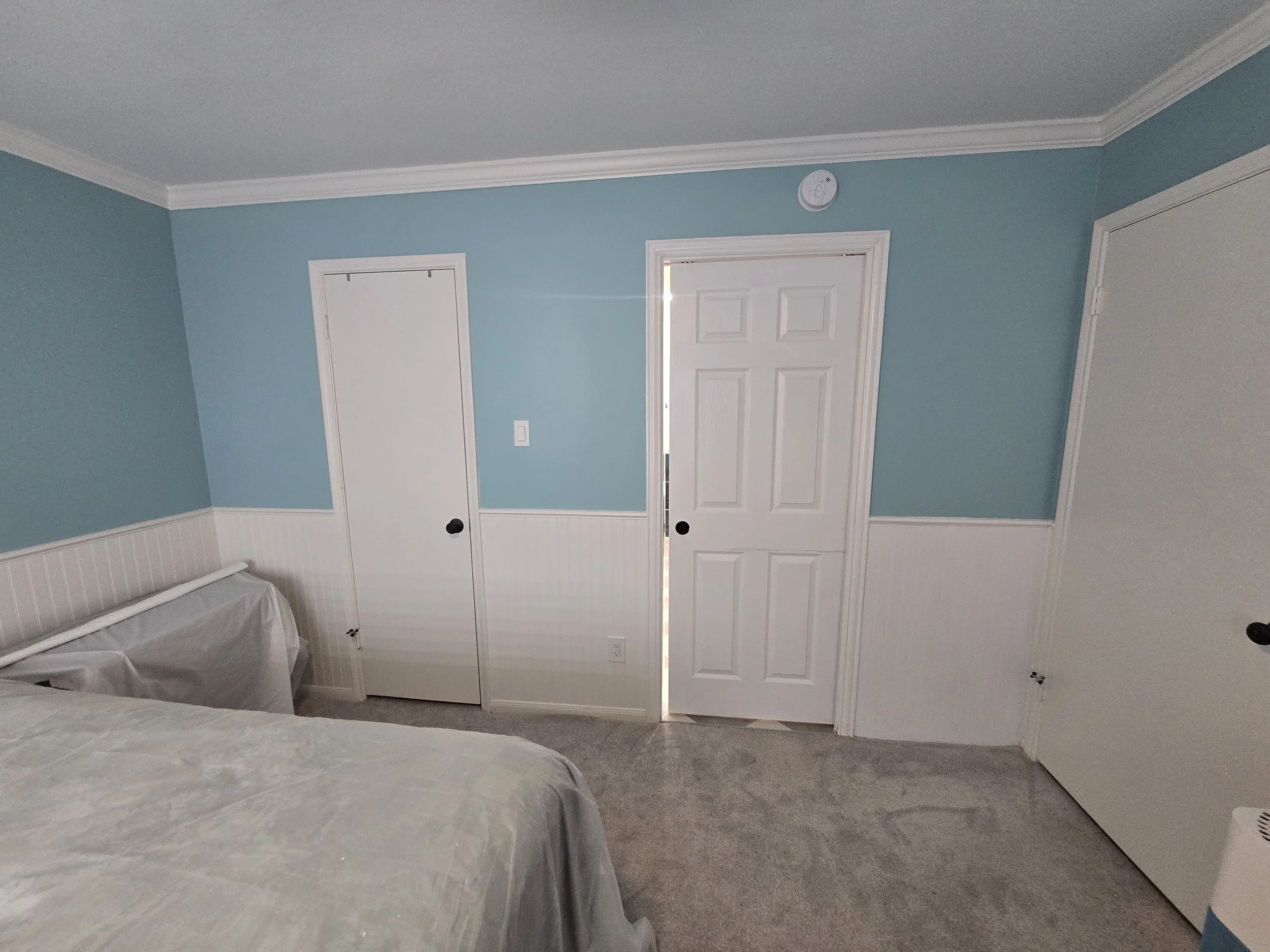
Warranty and Accountability Can Be Built Into the Price
A warranty is not just a sentence on paper. For a painting company to stand behind its work, it has to price the project in a way that supports proper preparation, quality products, trained labor, and follow-up if something needs attention.
That accountability has a cost.
When a quote includes a clear warranty, it may be higher because the company is taking responsibility beyond the final day of painting. When a quote has no warranty, vague warranty wording, or unclear exclusions, the price may be lower because less responsibility is being carried after the job is complete.
Homeowners should not only ask whether there is a warranty. They should ask what the warranty actually covers, what it excludes, and what steps are being taken during the project to make the warranty meaningful.
A Practical Way to Compare Painting Estimates
The best way to compare painting quotes is to line them up by scope, not just price.
Before choosing, ask each painter to clarify:
What surfaces are included?
What prep steps are included?
What product will be used?
How many coats are included?
Is primer included where needed?
Are repairs included or separate?
What is excluded?
What warranty is included?
Who will manage the project?
What happens if something is missed?
This gives you a clearer picture of what each price actually represents.
A practical takeaway: circle every vague phrase in the estimate. Words like “prep as needed,” “paint exterior,” “repair areas,” or “standard paint” can mean very different things depending on the contractor. Ask for clarification before comparing totals.
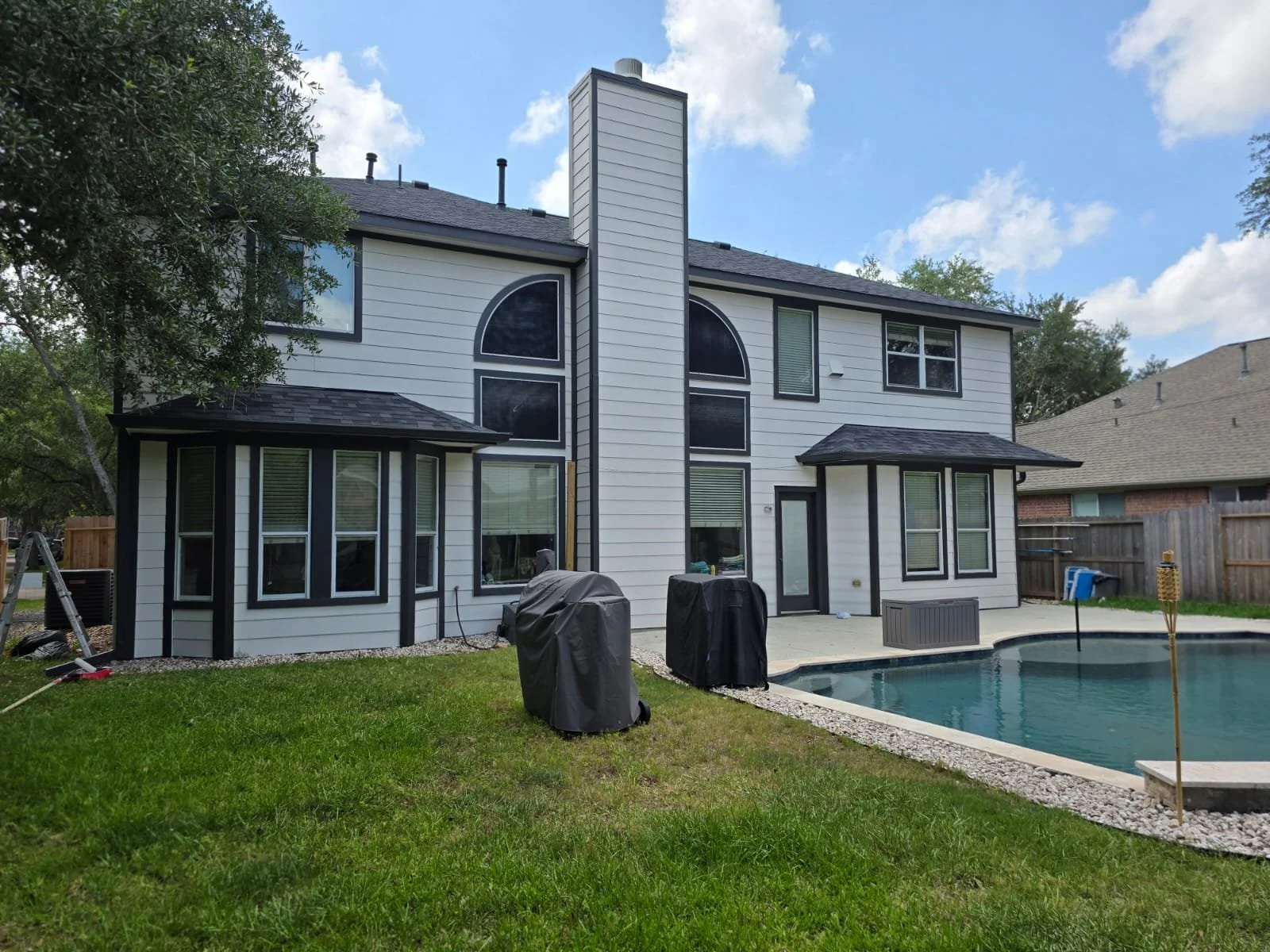
The Lowest Quote Can Still Cost More Later
The cheapest estimate can feel like a win at the beginning. But if the project needs to be corrected, touched up repeatedly, or redone sooner than expected, the real cost can rise quickly.
This is especially true for exterior painting, trim, doors, cabinets, and surfaces exposed to moisture or sunlight. If the surface is not properly prepared, even a good paint product can fail.
That does not mean homeowners should always choose the highest quote. It means the best value usually comes from the quote that most clearly explains the process, matches the condition of the home, and supports the result the homeowner actually wants.
Clear Quotes Build Better Decisions
A good painting quote should help a homeowner make a confident decision. It should explain what is included, what is not included, what products are being used, and what level of preparation is planned.
When quotes are different, the goal is not to find the cheapest number. The goal is to understand what each number includes.
For homeowners in Sugar Land and throughout Fort Bend County, that clarity matters because homes deal with real wear: sun, humidity, daily use, family life, pets, furniture, water exposure, and normal aging. Paint is part of protecting and maintaining the home, not just changing its color.
The more clearly the quote explains the process, the easier it becomes to compare value instead of guessing based on price alone.
Learn more about interior painting.
Who This Is Helpful For
This article is helpful for homeowners who are comparing multiple painting estimates and trying to understand why the prices are different. It is especially useful for anyone deciding between a cheaper painter and a more detailed quote, or anyone who wants to know what affects painting costs before making a decision.
It is also helpful for homeowners who care about long-term value, proper prep, clear expectations, and choosing a painting process that fits the condition and goals of their home.
