
Should You Paint Trim the Same Color as the Walls?
One of the most common questions homeowners ask during a remodel or repaint is surprisingly simple:
Should the trim match the walls, or should it stand out?
For years, white trim was the default. But today, more homeowners are exploring monochromatic spaces where walls, trim, and even doors share the same color. The result can feel modern, calm, and surprisingly high-end.
The real answer is not “always match” or “always contrast.” It depends on the look you want the room to create.
The Traditional Approach: Contrast Between Walls and Trim
Most homes use contrast.
Think white trim with colored walls.
The trim frames the room. It highlights windows, doors, baseboards, and architectural details. This approach works especially well when:
You have decorative molding
Ceilings are taller
You want crisp separation
The home leans traditional
Contrast creates visual structure.
A room painted in a warm greige with Extra White trim feels different than a room where everything blends together. The eye naturally notices edges, lines, and transitions.
In many older homes around Sugar Land, this remains the most familiar look because it complements existing trim profiles and architectural details.
Learn more about color selection ideas.
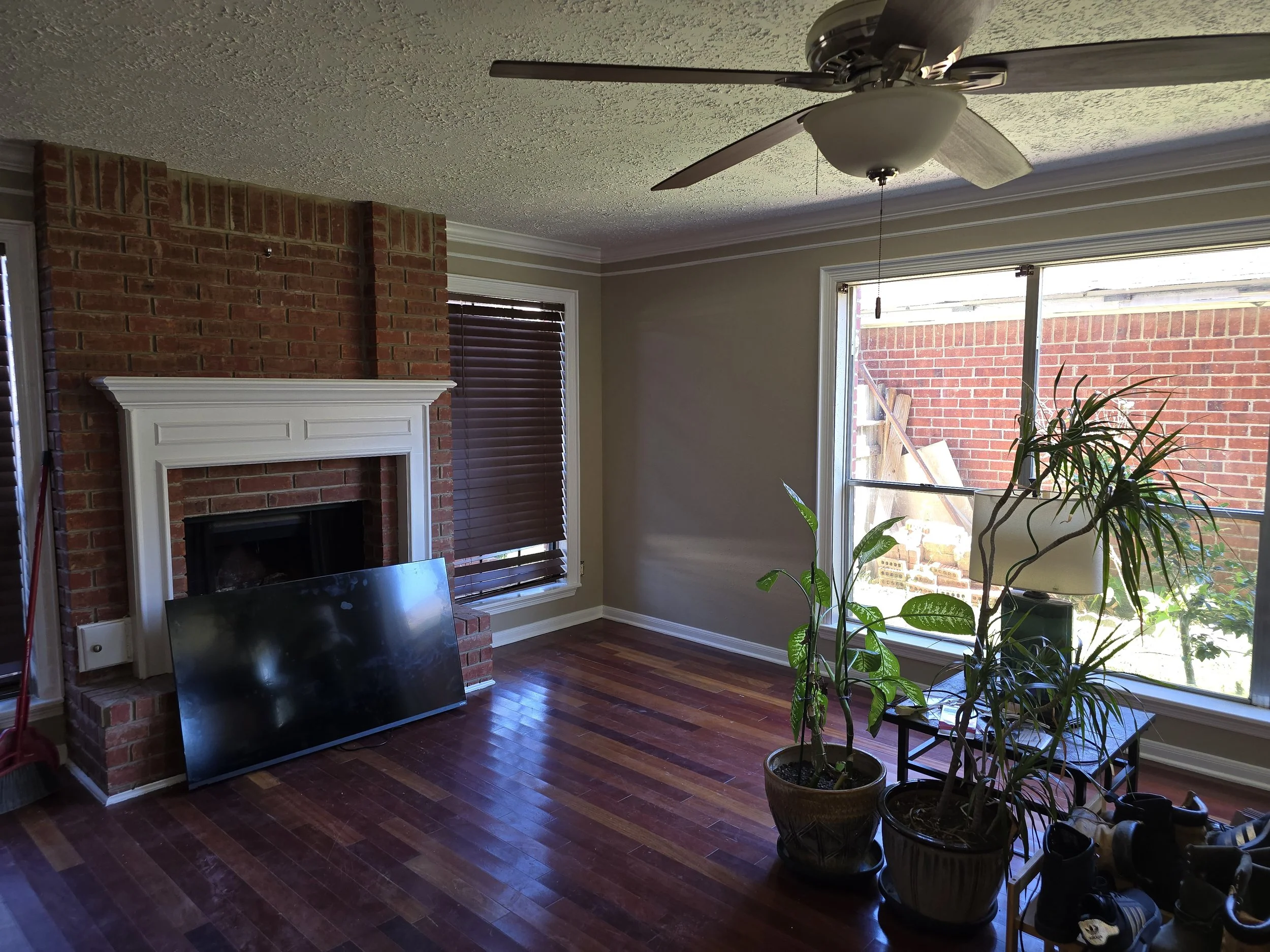
The Monochromatic Approach: Walls and Trim the Same Color
Painting trim the same color as the walls creates a softer, more unified appearance.
Instead of outlining the room, everything blends.
This can make a room feel:
Larger
Calmer
More modern
More architectural
Monochromatic spaces work especially well in:
Modern Interiors
Minimal lines and fewer visual breaks create a cleaner appearance.
Rooms With Heavy Trim
If a room has many doors, windows, or built-ins, contrasting trim can create visual noise. Matching colors reduces that effect.
Smaller Rooms
Continuous color can visually expand compact spaces.
A powder bath, office, or reading nook often feels bigger when trim disappears into the walls.
Should Trim Match Walls in Every Room?
No.
The decision can change room by room.
A living room might benefit from contrast while a study feels better monochromatic.
Ask yourself:
What do I want people to notice first?
If the answer is architecture, contrast helps.
If the answer is mood, monochromatic often wins.
For example:
Statement molding → contrast
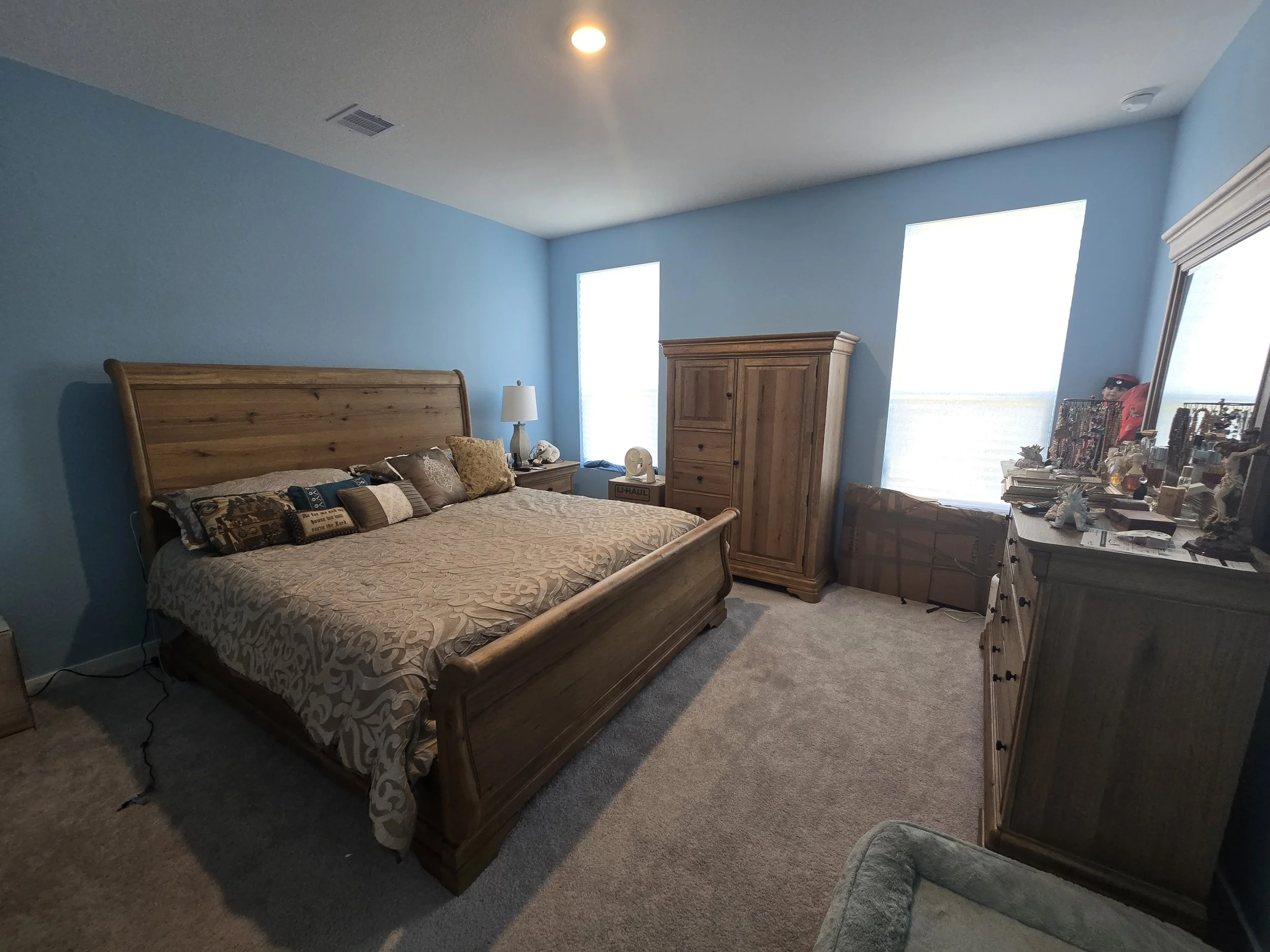
Soft modern bedroom → same color
Historic trim details → contrast
Minimal remodel → monochromatic
There is no universal rule.
Learn how preparation affects the finished look.

What About Sheen Differences?
This is where many homeowners miss an opportunity.
Even if walls and trim share the same color, they do not always need the same sheen.
A subtle sheen shift creates definition without changing color.
Example:
Walls: Matte or eggshell
Trim: Satin or semi-gloss
The eye still sees separation, but the room keeps the monochromatic effect.
This approach is common in modern interiors because it preserves depth while maintaining simplicity.
Painter insight: sheen often changes the appearance more than homeowners expect. The same paint color can look noticeably different depending on finish.
Monochromatic Paint Ideas to Consider
If you want to try this approach but feel unsure, start small.
Good places to experiment:
Bedroom Retreat
Walls + trim + doors in one soft color.
Creates a quiet, cocoon-like feeling.
Home Office
Matching trim reduces distraction and keeps focus on furnishings.
Accent Spaces
Mudrooms, powder baths, reading nooks, and built-ins often work beautifully with one color.
A practical test:
Paint a sample board and place it across both wall and trim surfaces before deciding. Observe it morning and evening.
Lighting changes everything.
Learn more about planning color decisions early.
Should You Paint Trim the Same Color as the Walls?
Yes—if you want a softer, more unified look with fewer visual breaks. Contrast works better when you want trim details and architectural features to stand out.
Contrast vs Monochromatic: Quick Comparison
Contrast Trim
Best for:
Traditional homes
Decorative trim
Bright separation
Architectural emphasis
Monochromatic Trim
Best for:
Modern spaces
Minimal interiors
Smaller rooms
Softer transitions
Neither is more correct.
The better choice is the one that supports how you want the room to feel.
Learn more about budgeting paint decisions and finish options.
Who This Is Helpful For
This article is helpful for homeowners choosing colors during remodels, interior repaints, or design updates who are deciding between traditional contrast and a softer monochromatic look.
It is especially useful for people trying to visualize how trim color changes the feel, size, and style of a room before committing to paint.
