
Is Painting Before Selling Your Home Actually Worth It?
When homeowners start preparing to sell, one question comes up quickly: should you repaint before listing, or leave the house as-is?
Some people worry they’ll spend money they never get back. Others fear outdated colors or worn walls could make buyers lose interest before they even imagine themselves living there.
The real question is not whether painting magically increases value. It’s whether the condition and presentation of the home support the kind of buyer experience you want to create.
In many cases, paint plays a bigger role than homeowners expect.
Why Paint Matters More Than Most Sellers Realize
Buyers often decide how they feel about a home within minutes. That reaction is rarely based on one dramatic issue. It usually comes from a collection of small signals.
Scuffed walls, faded trim, patchy touch-ups, bold colors, or heavy wear can quietly communicate that the home has not been maintained carefully. Even when the structure is solid, visual wear creates hesitation.
Fresh paint changes how buyers experience the space emotionally. Rooms tend to feel:
Cleaner
Better maintained
Brighter
Easier to move into
This is especially important during showings and online listing photos, where presentation strongly shapes first impressions.
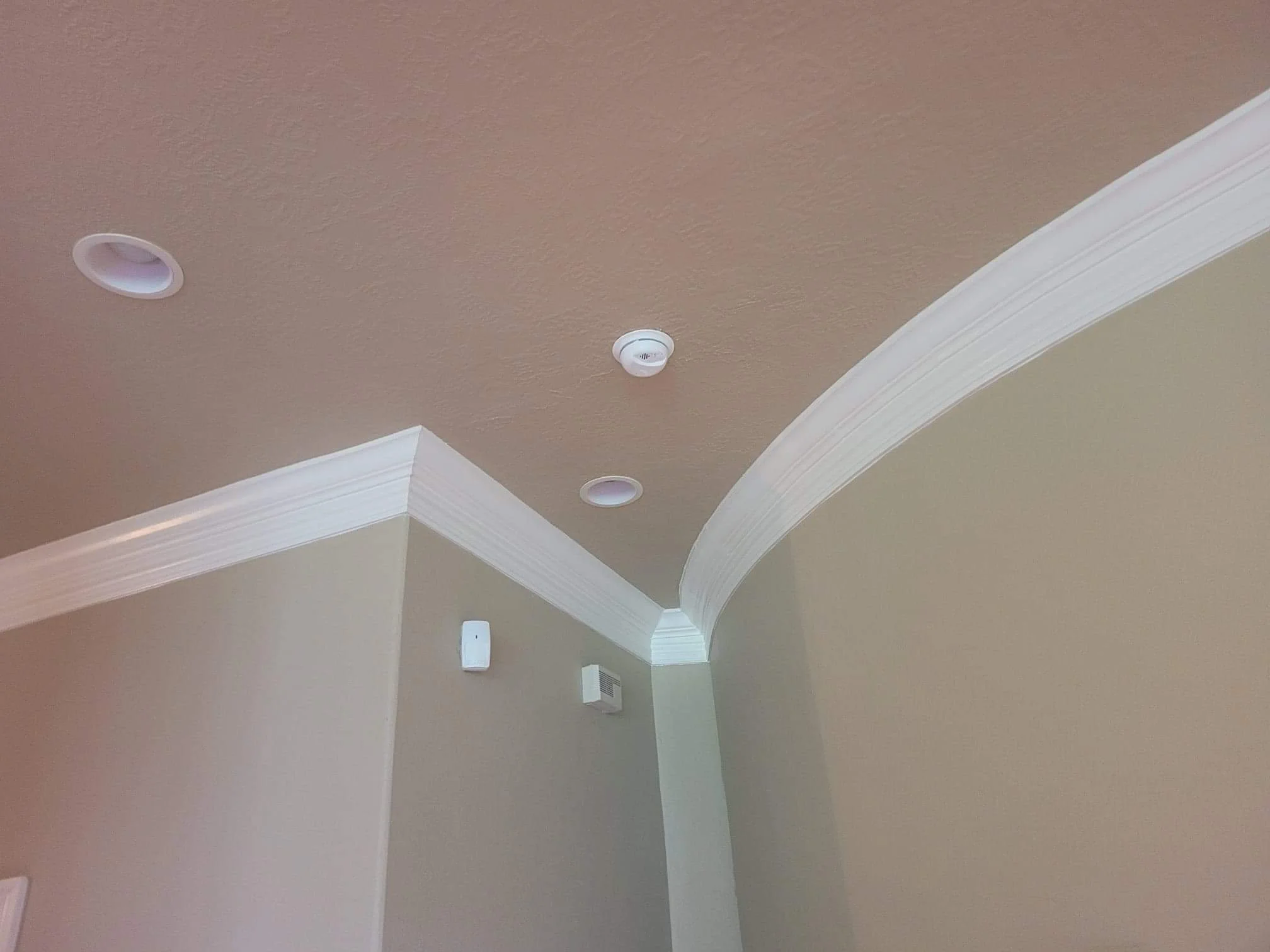
Painting Does Not Need To Mean Repainting Everything
One of the biggest misconceptions about repainting before selling a house is that the entire home needs a full transformation.
Usually, the highest-impact improvements are targeted.
In many homes around Sugar Land and Fort Bend County, sellers benefit more from strategic repainting than full-house repainting. Buyers tend to notice consistency and freshness more than perfection.
High-priority areas often include:
Entry Areas
The entry sets the tone immediately. Worn trim, damaged drywall patches, or strong colors can shape the buyer’s mood before they see the rest of the house.
Living Rooms And Kitchens
These are emotional decision-making spaces. Neutral, clean finishes often help buyers focus on the home itself instead of the previous owner’s style.
Primary Bedrooms And Bathrooms
Buyers tend to interpret these spaces as indicators of overall maintenance and cleanliness.
Trim And Doors
Sometimes repainting trim, doors, and baseboards creates more visual improvement than repainting every wall.
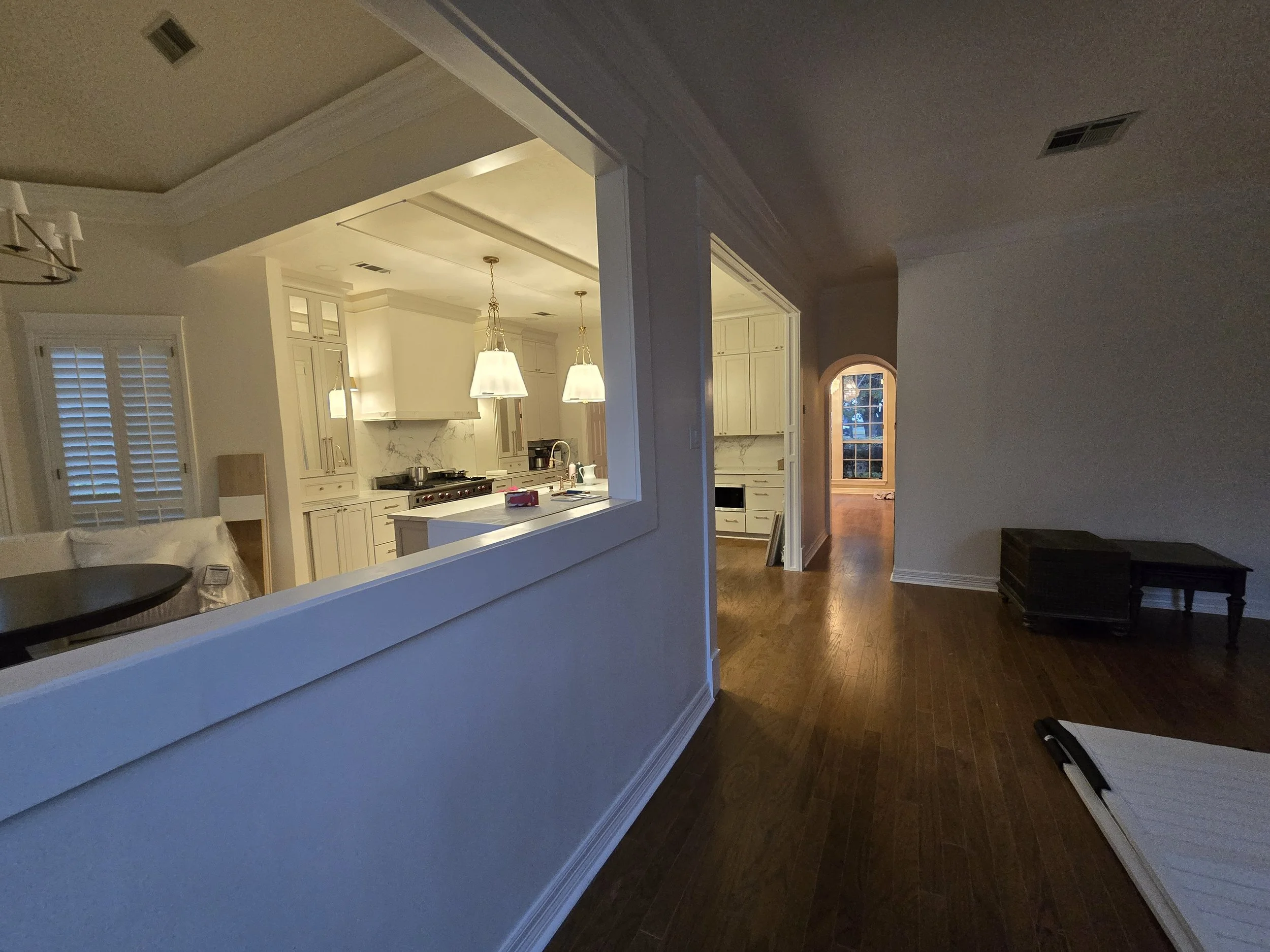
Neutral Paint Colors Are Usually About Flexibility
Home staging paint choices are often misunderstood.
Neutral colors are not necessarily chosen because they are trendy. They work because they remove friction.
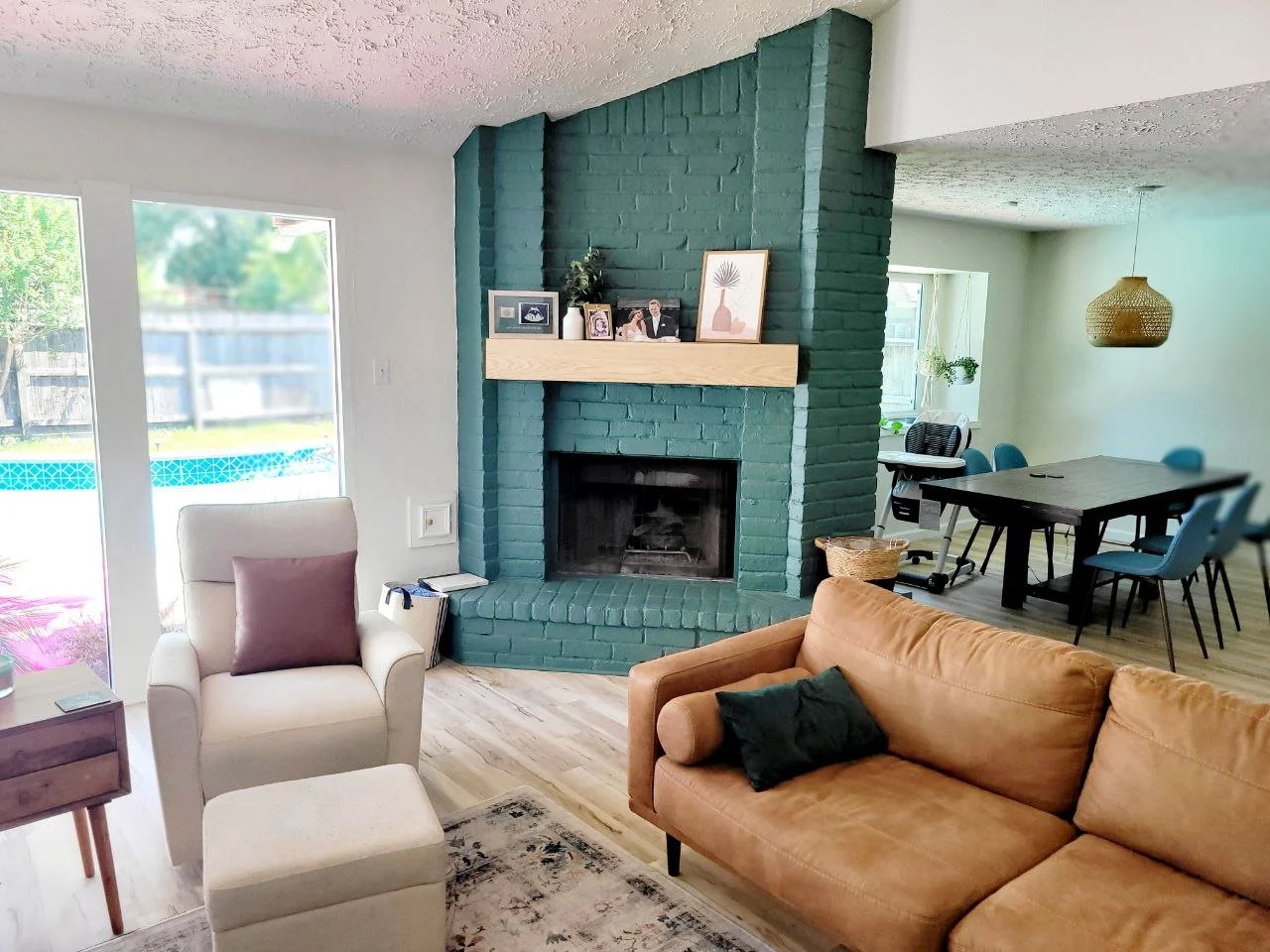
Buyers walk through homes trying to picture their own furniture, routines, and style. Loud colors or highly personalized palettes can interrupt that mental process.
That does not mean every room must become stark white. In fact, overly bright whites can sometimes feel cold or unfinished under certain lighting conditions.
Soft warm whites, balanced greiges, and muted earth tones tend to photograph well while still feeling comfortable in person.
One practical takeaway homeowners can apply immediately: walk through your home as if you were seeing it for the first time. Rooms that visually distract you will likely distract buyers too.
The ROI Of Painting Before Sale Depends On Condition
Many homeowners search for exact numbers when asking about the ROI of painting before sale.
The challenge is that return depends heavily on context.
A well-maintained home with relatively current colors may gain little from repainting everything. But homes with visible wear, heavy personalization, smoke staining, patchwork repairs, or aging finishes often benefit substantially from cosmetic improvements.
Painting can help by:
Reducing buyer objections
Improving listing photography
Helping the home feel move-in ready
Supporting stronger perceived maintenance
That last point matters more than many people realize.
Buyers often use visual condition as a shortcut for judging hidden condition. Fresh, clean surfaces can create confidence that the home has been cared for overall.
That does not guarantee a higher selling price. But it can influence buyer perception in meaningful ways.
Realtors Often Recommend Paint For A Reason
Strong realtor alignment exists around repainting because agents repeatedly watch buyer behavior in real-world showings.
They see which homes generate emotional connection quickly and which homes create hesitation.
Paint is one of the few updates that can dramatically affect presentation without requiring structural renovation.
Unlike major remodels, repainting also tends to involve:
Less disruption
Lower risk
Faster completion timelines
Broad buyer appeal
That makes it a common recommendation before photography, staging, and listing.
Still, good realtors usually recommend strategic painting, not automatic painting.
In some cases, leaving newer finishes alone makes more sense than repainting unnecessarily.
When Painting Before Selling May Not Be Worth It
There are situations where repainting may offer limited value.
For example:
The Home Already Feels Fresh
If colors are neutral and surfaces are in strong condition, repainting may not change buyer perception significantly.
The Buyer Is Likely Renovating Anyway
Luxury renovations or investor purchases sometimes make cosmetic updates less relevant.
Time Constraints Are Severe
Rushed painting without proper prep can create more problems than it solves.
Budget Is Better Spent Elsewhere
Sometimes landscaping, lighting, flooring repairs, or decluttering create larger improvements than paint alone.
The goal is not to automatically repaint. The goal is to reduce friction for buyers while helping the home present clearly and confidently.
Who This Is Helpful For
This article is helpful for homeowners preparing to sell who are trying to decide whether repainting is a smart pre-listing investment or an unnecessary expense.
It is especially useful for sellers comparing cosmetic updates, working with a realtor on staging decisions, or trying to improve buyer perception without committing to a major renovation.
