
How Pros Really Choose Paint for Long-Lasting Results
If you’ve ever stared at a wall of paint swatches in a store, wondering how to pick the “right” color, you’re not alone. Many homeowners rely on personal taste, trends, or inspiration from social media. But professional painters approach paint selection very differently. This article answers the question: how professional painters choose paint, and why their decisions often differ from what a homeowner might expect.
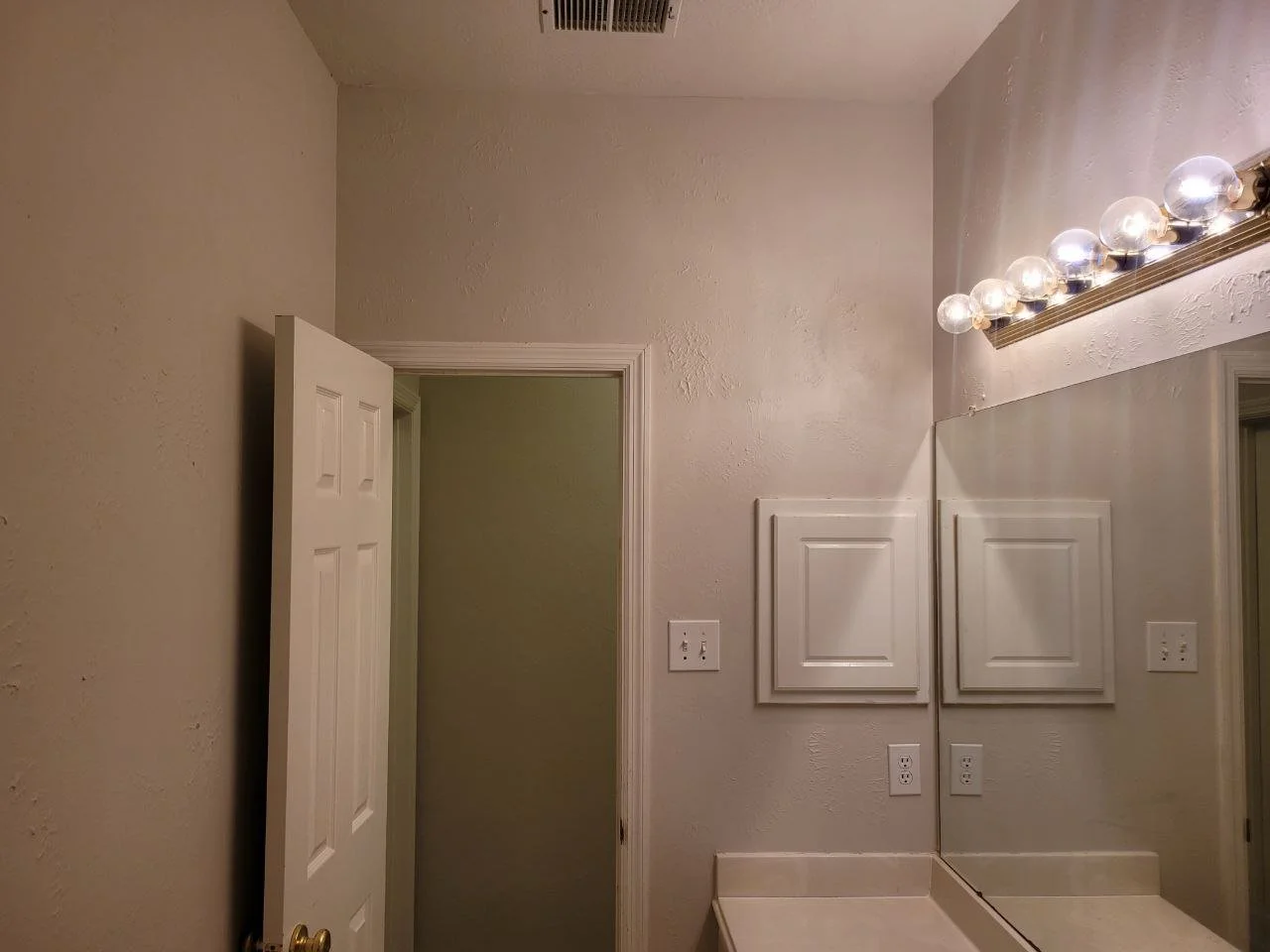
How Professionals Prioritize Performance Over Preference
While homeowners often choose colors based on aesthetics, professional painters focus on performance factors first. These include:
Durability: Will the paint stand up to daily wear and cleaning?
Application: How easily does it go on with consistent coverage?
Finish consistency: Will the sheen appear uniform under different lighting?
For example, in Sugar Land homes where high humidity can affect drying, painters may favor paints formulated for moisture resistance. A color that looks perfect in a store may not perform well in real-life conditions.
Learn more about our prep process.
Pigment Quality and Opacity Matter Most
Professional painters pay close attention to pigment strength and hiding power. Strong pigments require fewer coats, saving labor and ensuring a uniform appearance. Homeowners might focus on color appeal, but a pro looks for paint that maintains vibrancy and doesn’t fade over time.
High-quality pigment: Fewer coats, truer color
Opacity: Covers previous colors efficiently
Lightfastness: Maintains hue under sunlight
This approach ensures that rooms feel consistently bright and polished, rather than patchy or uneven.
Explore how to plan your painting budget.
Surface Type Guides Product Selection
Different surfaces call for different formulations. Homeowners may not consider the subtle differences between drywall, plaster, or previously painted wood. Professional painters evaluate:
Porosity of the surface
Texture variations
Likelihood of moisture or stains
For instance, ceilings often get a flat or matte finish to hide imperfections, while trim might receive a semi-gloss for durability and easy cleaning. Understanding the surface ensures the final look lasts and requires minimal touch-ups.
Learn more about color tips.
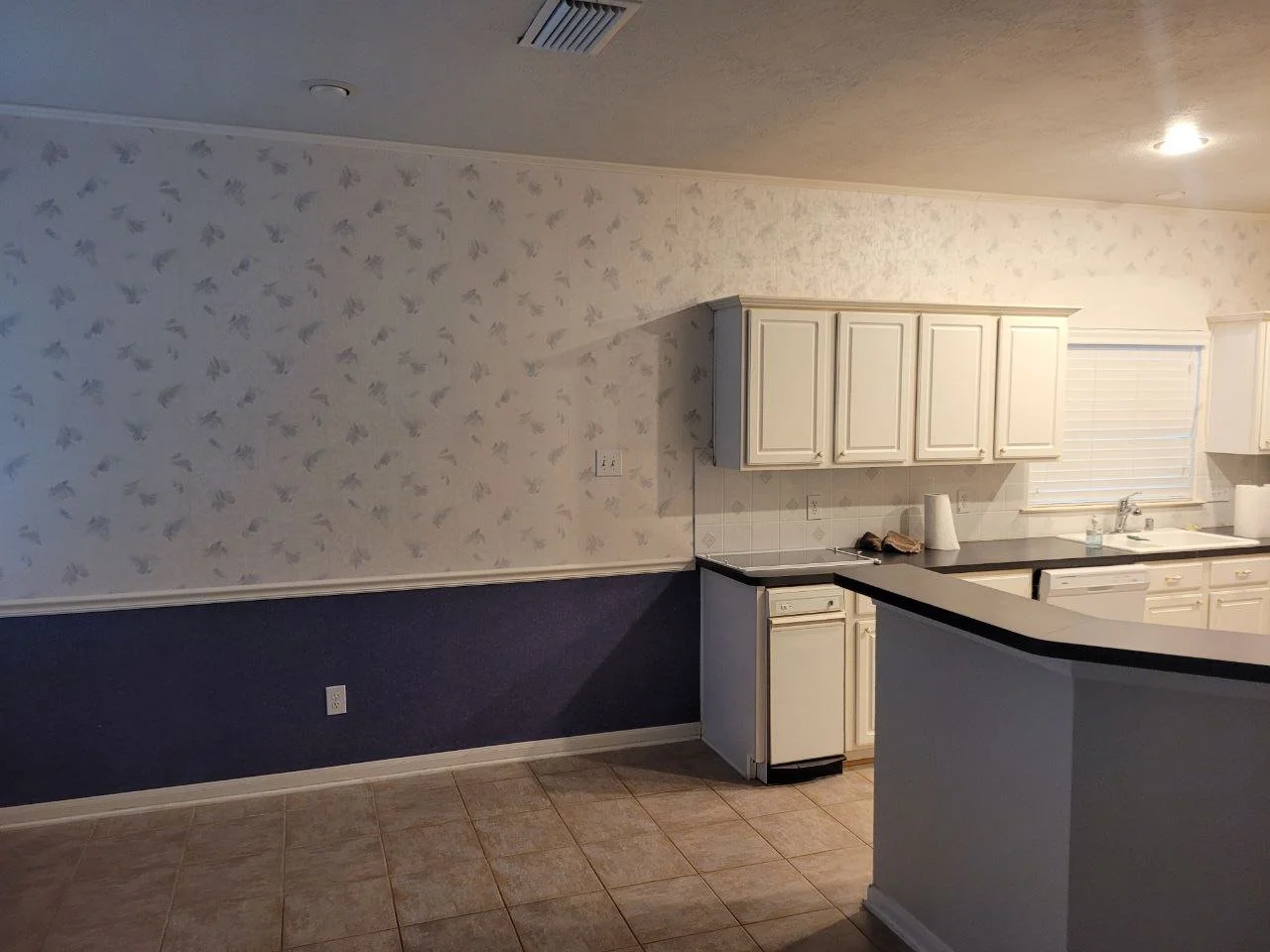
Application Techniques Influence Paint Choice
A paint that looks great on a small sample may behave differently when rolled or brushed across an entire wall. Professionals select paints that match their preferred application methods:
Smooth rollers for large walls
Brushes for trim and edges
Specialty tools for textured surfaces
Choosing paint compatible with their technique helps maintain consistent coverage, reduces streaks, and minimizes touch-ups, which homeowners rarely factor into decision-making.
Explore what to expect for your project.
Professional vs. Homeowner Color Decision-Making
Homeowners often make decisions based on intuition or inspiration:
Favorite color
Social media trends
Samples seen in other homes
Professionals combine those preferences with practical considerations:
Durability and ease of cleaning
Environmental conditions (humidity, sunlight)
Surface type and preparation requirements
This is why two paints of the same shade can yield very different results when applied by a professional versus a DIY approach.
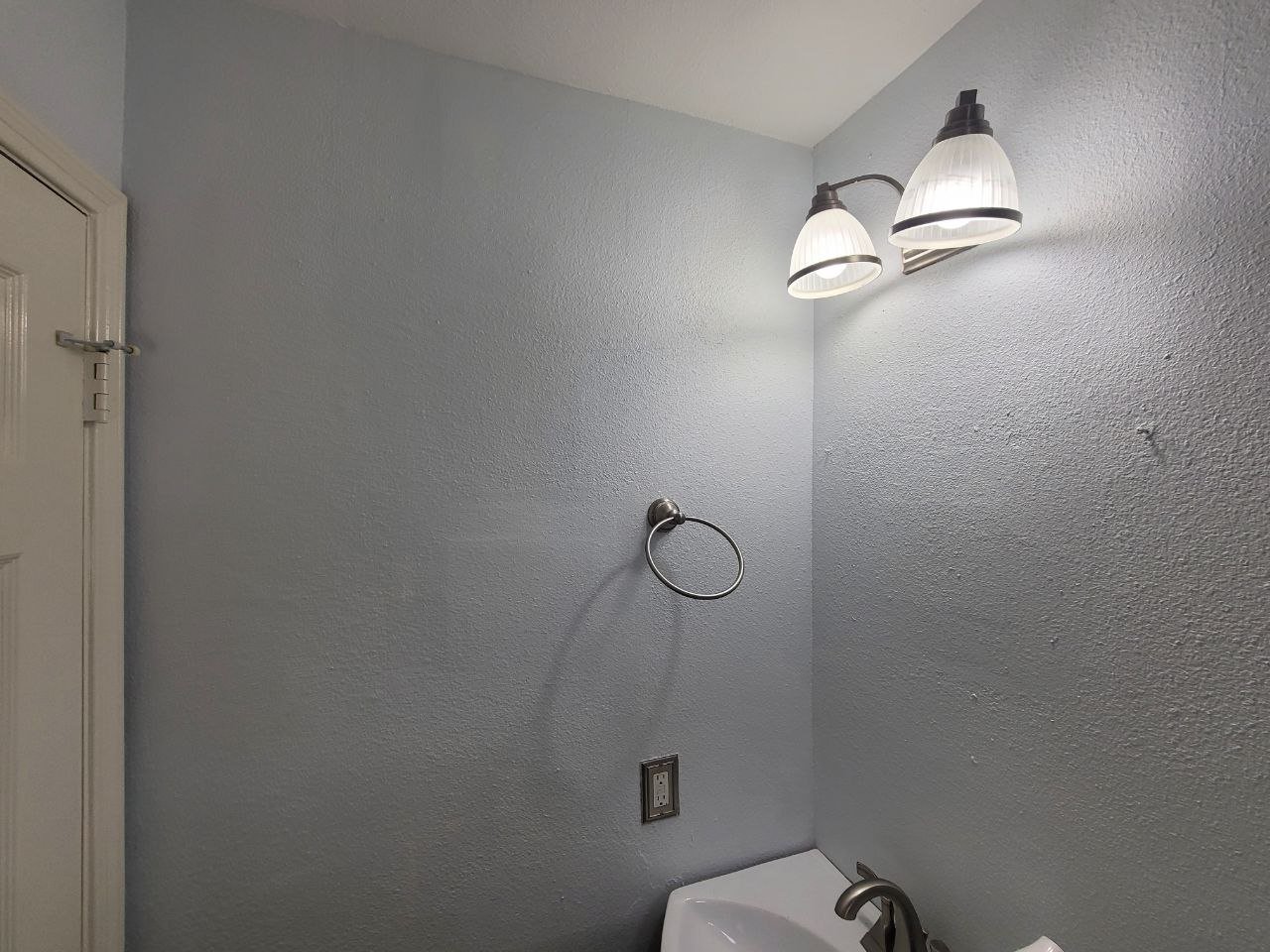
Practical Takeaway for Homeowners
If you’re planning your next painting project, you don’t need to memorize professional formulations—but you can adopt some of their thinking:
Test how paint looks on the actual wall, not just a sample card
Consider finish and sheen for functionality, not just style
Ask about coverage and durability, especially for high-traffic areas
Even a small focus on performance can prevent frustration and keep your walls looking fresh longer.
Q&A: How do professional painters choose paint?
Answer: Professional painters prioritize durability, opacity, surface compatibility, and application efficiency before selecting color for aesthetic appeal.
Who This Is Helpful For
Homeowners weighing DIY versus professional painting
Anyone curious about the factors behind paint selection
People who want to make informed, lasting paint decisions without trial and error
Those seeking clarity on the difference between professional-grade and consumer paint
Learn more about interior painting.
