
What Matters More: Paint Brand or Prep Work?
Homeowners comparing painters often get stuck on one question:
If I’m paying for a premium paint brand, does the prep work really matter that much?
You might hear one contractor talk about Sherwin-Williams or another brand like it’s the main difference-maker. Another may focus heavily on sanding, caulking, priming, and repairs. When you’re reviewing estimates, it’s not always clear what actually determines a paint job’s quality.
This page answers one specific question:
When it comes to long-term results, what matters more: paint brand or prep work?
Paint Brand vs Prep Work: Which One Actually Determines Quality?
Prep work matters more than paint brand because paint can only perform as well as the surface underneath it. Even the best paint will fail if the surface isn’t properly cleaned, repaired, sanded, and sealed.
That doesn’t mean paint brand is irrelevant. It means brand is secondary to system.
Quality is not a product. It’s a process.
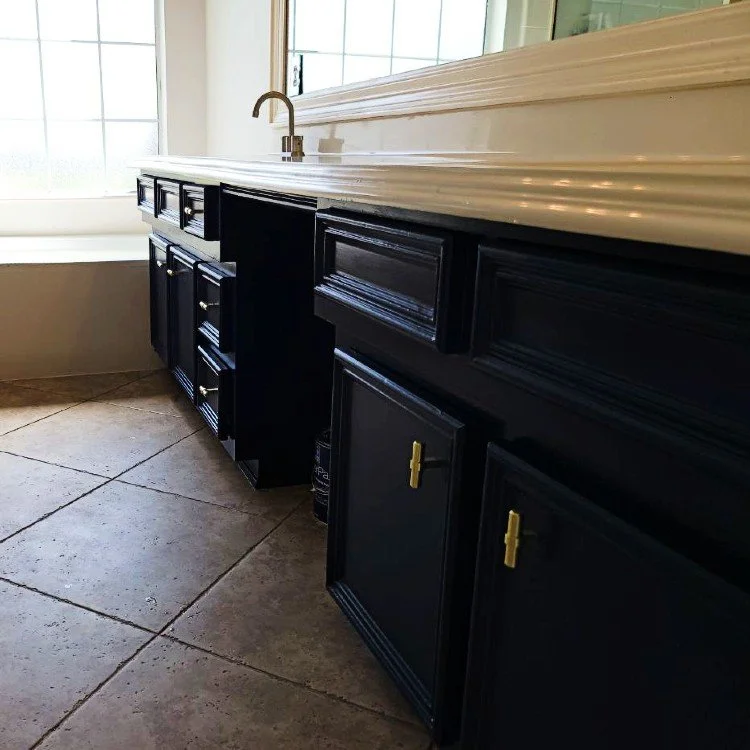
Why Paint Jobs Fail (Even With “Good” Paint)
When a paint job peels, cracks, or looks uneven within a year or two, the root cause is almost never the label on the can.
It’s usually one of these:
Poor surface cleaning (dust, oils, or chalky residue left behind)
Inadequate sanding or deglossing
Skipping primer on bare or repaired areas
Rushed caulking or patching
Moisture issues not addressed before painting
Paint is designed to bond. But it can’t bond to dirt, loose fibers, gloss, or moisture.
In Fort Bend County, we also deal with high humidity and intense sun exposure. In neighborhoods like Telfair in Sugar Land, homes often have a mix of stucco, trim, and brick. Each material requires different prep techniques. Skipping those steps may look fine on day one — but the Texas climate will reveal shortcuts quickly.
If you want to understand what a thorough system looks like, reviewing Our Prep Process can help clarify what professional surface preparation actually involves.
Why Prep Work Comes Before Brand
Homeowners naturally focus on paint brand because it’s visible and easy to compare. Prep work is invisible once the job is done.
But here’s the reality:
Paint is a coating.
Prep work is the foundation.
You wouldn’t judge a home’s structural integrity by the brand of drywall used. The framing and structure underneath matter more. The same principle applies to painting.
Prep work affects:
Adhesion
Smoothness
Sheen consistency
Longevity
Moisture resistance
Final appearance under natural light
If the surface is properly prepared, most reputable professional-grade paints will perform well. If the surface is poorly prepared, even the most expensive paint will fail.
This is why understanding What to Expect for Your Project is so important before choosing a contractor. The system behind the estimate tells you more than the brand listed in the proposal.
Does Prep Matter When Painting Interiors?
Absolutely.
Interior projects — especially Wall Painting or Ceiling Painting — often expose poor prep more than exterior jobs. Interior lighting (recessed lights, window glare, and shadow lines) highlights every patch, seam, and sanding mark.
Common interior prep steps include:
Filling nail holes and dents
Sanding repaired areas flush
Spot priming patches
Cleaning walls to remove dust and oils
Protecting floors and fixtures properly
Skipping even one of these steps can lead to flashing (dull spots), uneven sheen, or visible texture differences.
Paint brand cannot correct uneven drywall repairs. Prep can.
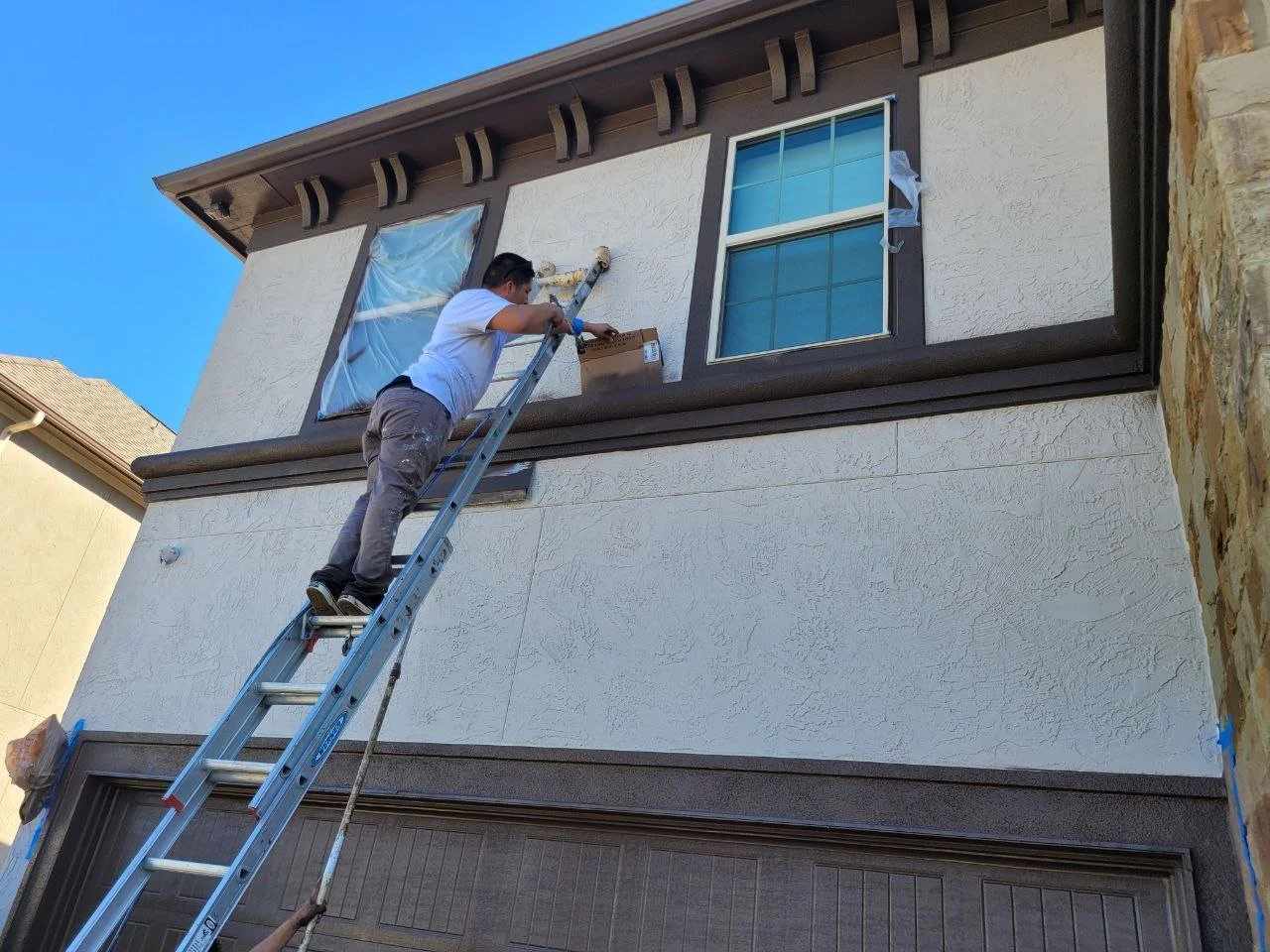
When Paint Brand Does Matter
Brand becomes more relevant after prep is done correctly.
Different paints offer variations in:
Washability
Sheen durability
Coverage
Mildew resistance
Specialty performance (like cabinet enamel or masonry coatings)
For example, Cabinet Painting requires specific bonding primers and hard-curing topcoats that differ from standard wall paint. In that context, product choice plays a larger role — but still only after proper cleaning, sanding, and degreasing.
Think of it this way:
Prep determines whether the paint sticks.
Product determines how it performs once it sticks.
A Practical Way to Evaluate Estimates
If you’re comparing quotes from painters in Sugar Land or surrounding areas, here’s something you can do immediately:
Instead of asking, “What paint brand do you use?”
Ask, “Can you walk me through your prep process step by step?”
Then listen for specifics.
Vague answer:
“We prep everything as needed.”
Clear system answer:
“We pressure wash, scrape loose areas, sand transitions, spot prime exposed surfaces, re-caulk joints, and protect surrounding areas before applying finish coats.”
Systems produce consistency. Shortcuts produce unpredictability.
If you’re trying to align your expectations with your budget, reviewing Defining Your Painting Budget can also help you understand why thorough prep often changes pricing.
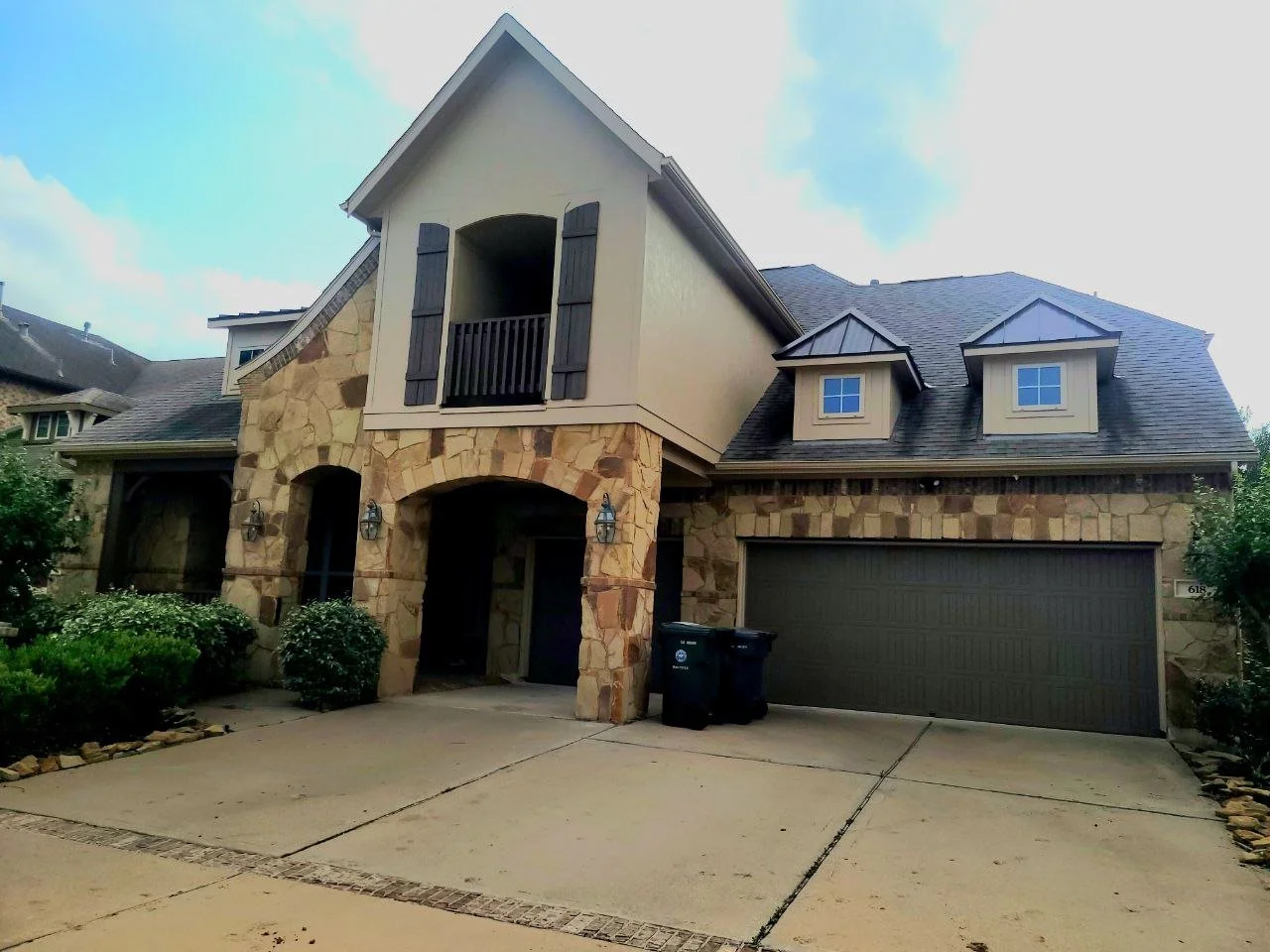
The Systems > Shortcuts Mindset
At The Proud Paintbrush, we’ve learned something simple over time:
Paint brands change. Systems don’t.
You can switch products.
You cannot skip preparation.
This is especially true in climates like ours, where heat expansion, humidity, and UV exposure stress every exterior surface. A rushed prep phase might save time on day one — but it almost always costs more in maintenance later.
When evaluating a painting company, you’re not just choosing paint.
You’re choosing their system.
Who This Is Helpful For
This page is helpful for homeowners who:
Are comparing multiple painting estimates
Notice different price ranges and want to understand why
Feel unsure whether higher cost reflects better quality
Care more about durability than marketing language
If you’re trying to decide between painters and want clarity before committing, understanding the difference between product and process is one of the most important mental shifts you can make.
Quality is not a brand decision.
It’s a preparation decision.
