
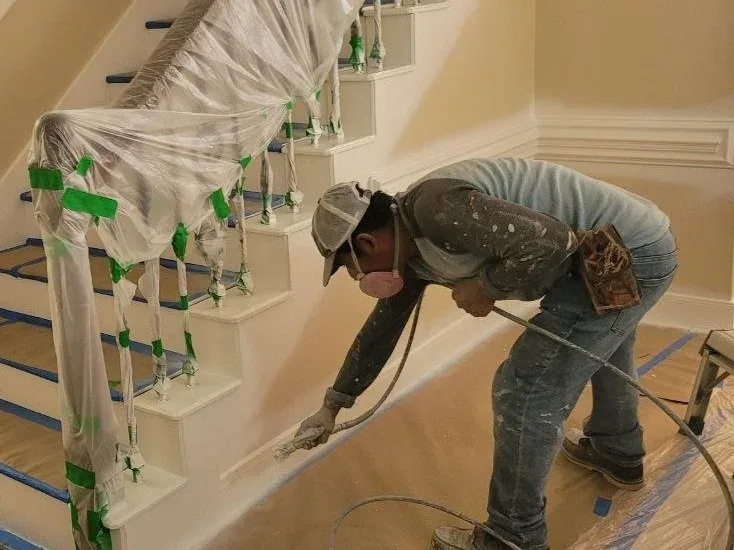
If you’re planning to repaint your trim, doors, or cabinets, one of the most important questions is:
“Is this oil-based paint or latex?”
Because here’s the truth:
If you get this wrong, your new paint can peel, chip, or fail much sooner than it should.
At The Proud Paintbrush, we run into this all the time in homes across Sugar Land, Missouri City, Richmond, Katy, and surrounding areas.
The good news?
You don’t have to guess.
Schedule Your Painting EstimateWhy It Matters More Than You Think
Before we even talk about how to identify it, you need to understand why this matters.
Oil-based and latex paints behave very differently.
If you apply the wrong product over the wrong surface:
paint may not adhere properly
you can get peeling or flaking
the finish can feel soft or tacky
long-term durability drops significantly
👉 This is one of the most common causes of failed DIY paint jobs.
Oil vs Latex: What’s the Difference?
Oil-Based Paint (Alkyd)
Oil-based paints were commonly used in older homes, especially on:
trim
doors
cabinets
baseboards
Key characteristics:
very hard, durable finish
smooth, glass-like appearance
longer dry time
strong odor
more resistant to wear
Latex Paint (Water-Based)
Latex paints are what most modern homes use today.
Key characteristics:
faster drying
lower odor
easier cleanup
more flexible
less prone to yellowing
How to Tell If Your Trim Is Oil or Latex
Here are the most reliable methods we use in the field:
🧪 The Rubbing Alcohol Test (Best Method)
This is the easiest and most accurate test.
Steps:
Take a rag or cotton ball
Apply rubbing alcohol
Rub firmly on the painted surface
Results:
Paint comes off → Latex (water-based)
No paint comes off → Oil-based
👉 This is our go-to test on almost every estimate.
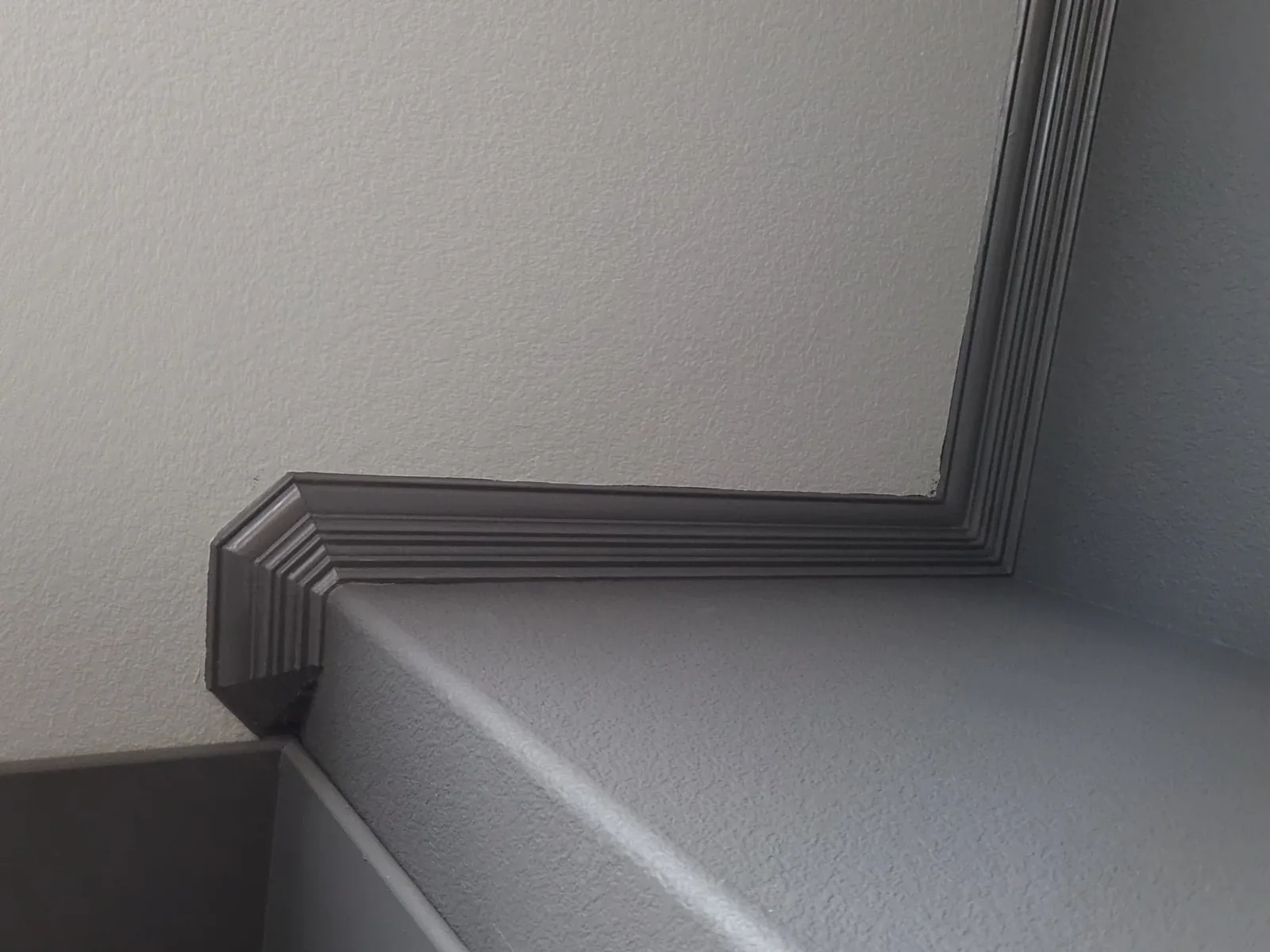
🔍 The Feel Test
Oil-based paint usually feels:
smoother
harder
more “slick” or glass-like
Latex tends to feel:
slightly softer
more rubbery
This method is less reliable but useful as a quick indicator.
🏠 Consider the Age of the Home
If your home was built:
Before early 2000s → higher chance of oil-based trim
Newer homes → almost always latex
But don’t rely on this alone—always test.
What Happens If You Paint Over Oil the Wrong Way?
This is where problems start.
If you apply latex paint directly over oil-based paint without proper prep:
adhesion failure is very likely
paint can peel within months
edges and corners break down first
moisture makes it worse
👉 This is why proper prep and priming matter more than the paint itself.
The Right Way to Paint Over Oil-Based Trim
If your trim is oil-based, the correct process is:
Clean and degrease
Sand to create surface profile
Apply a bonding primer
Apply your topcoat
Skipping any of these steps increases the chance of failure.
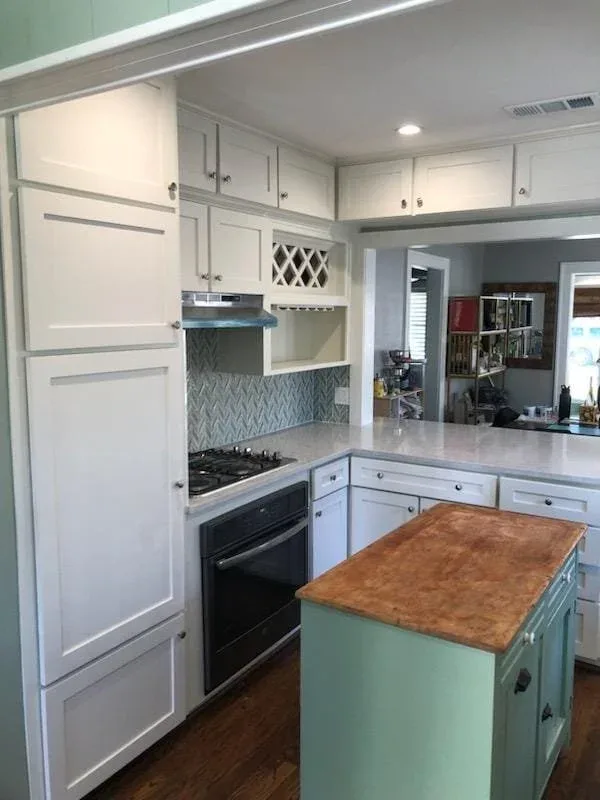
Where This Shows Up Most in Homes
We see this issue most often on:
baseboards
door frames
interior doors
kitchen cabinets
bathroom vanities
built-ins
These are high-touch areas, which means failure becomes obvious fast.
What We Do at The Proud Paintbrush
When we repaint trim or cabinets, we don’t guess.
We:
test the surface
identify the existing coating
choose the correct primer
use the right topcoat system
apply it with professional tools
That’s how we get finishes that actually last.
View Our Interior Painting ServicesLocal Insight: Why This Matters in Sugar Land Homes
Homes in Sugar Land and Fort Bend County often have:
older trim with oil-based coatings
repaint layers over time
humidity exposure
high-traffic family use
That combination makes proper prep even more important.
A shortcut here almost always shows up later.
When It’s Worth Hiring a Pro
You may want to bring in a professional if:
you’re unsure what type of paint is on your trim
the trim has multiple layers of old paint
you want a smooth, durable finish
you’re repainting cabinets or doors
you don’t want to risk peeling or rework
Because once paint fails…
👉 you are doing the project twice.
Frequently Asked Questions
How can I tell if paint is oil or latex?
Use rubbing alcohol. If paint comes off, it’s latex. If not, it’s oil-based.
Can you paint latex over oil-based paint?
Yes—but only with proper prep and a bonding primer.
What happens if you skip primer?
The new paint may not adhere and can peel or chip prematurely.
Is oil-based paint better than latex?
Not necessarily. Each has its place. Modern systems often outperform old oil-based paints when applied correctly.
Need Help Repainting Trim or Cabinets?
Identifying the paint is just step one.
Getting a durable, professional finish takes:
the right prep
the right products
the right process
the right application
At The Proud Paintbrush, we help homeowners get results that actually last.
Whether you're repainting trim, doors, or cabinets, we’ll guide you through the right system for your home.
Related Pages
Final Thoughts
If you’re repainting trim, one of the most important steps is knowing what you’re working with.
Oil or latex isn’t just a detail—it determines whether your paint job lasts or fails.
If you’re unsure, test it.
If you want it done right the first time, we’re here to help.